
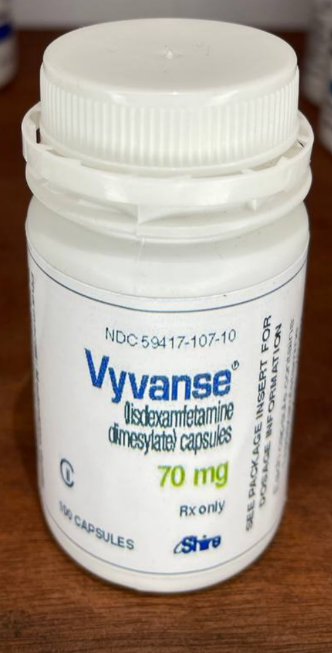
Vyvanse
Lisdexamphetamine
$60.00
Vyvanse (generic name: lisdexamfetamine dimesylate) is a prescription medication used to treat Attention Deficit Hyperactivity Disorder (ADHD) in adults and children aged six and older. It is also approved for the treatment of moderate to severe binge eating disorder (BED) in adults. Vyvanse is a stimulant that affects chemicals in the brain and nerves involved in impulse control and hyperactivity.
Common Uses
ADHD Treatment: Helps improve focus, attention, and impulse control in individuals with ADHD.
Binge Eating Disorder (BED): Reduces the number of binge-eating episodes in adults.
How It Works
Vyvanse is a prodrug, meaning it is inactive until metabolized in the body. Once ingested, it converts into dextroamphetamine, which increases the levels of neurotransmitters like dopamine and norepinephrine in the brain. These neurotransmitters play key roles in focus, attention, and self-regulation.
Dosage
Vyvanse comes in capsule and chewable tablet forms, with dosages ranging from 10 mg to 70 mg.
ADHD: The starting dose is usually 30 mg once daily, taken in the morning. Dosages can be adjusted in increments of 10 mg or 20 mg weekly, with a maximum dose of 70 mg per day.
Binge Eating Disorder: The typical starting dose is 30 mg per day, titrated up to 50–70 mg daily based on response.
Positive Effects
Improved Focus and Attention: Helps individuals with ADHD concentrate and stay organized.
Better Impulse Control: Reduces hyperactive and impulsive behaviors.
Reduced Binge-Eating Episodes: Helps control episodes of compulsive overeating in BED patients.
Long-Lasting: Its effects last up to 14 hours, covering most of the day with a single dose.
Negative Effects (Side Effects)
Common Side Effects:
Dry mouth
Decreased appetite
Insomnia
Irritability
Weight loss
Nausea
Serious Side Effects:
Cardiovascular Issues: Increased heart rate, elevated blood pressure, or chest pain.
Mental Health Effects: Anxiety, depression, or new/worsened mood changes, including suicidal thoughts.
Growth Suppression: May slow growth in children with prolonged use.
Dependency: Vyvanse has a potential for abuse and dependency, as it is classified as a Schedule II controlled substance.
Important Warnings
Heart Risks: Vyvanse may not be suitable for individuals with heart disease, high blood pressure, or a history of heart problems.
Abuse Potential: Misuse can lead to dependency, overdose, or severe cardiovascular events.
Mental Health: Can cause or worsen psychiatric problems, including anxiety, aggression, or mania.
Pregnancy and Breastfeeding: May harm an unborn baby or pass into breast milk; consult a doctor before use.
Interactions: Avoid taking Vyvanse with MAO inhibitors, alcohol, or other stimulants, as this can increase the risk of side effects.
Conclusion
Vyvanse is an effective medication for managing ADHD and binge eating disorder, offering long-lasting symptom relief with a once-daily dose. While it has many benefits, it also carries risks of side effects, dependency, and misuse. It should only be used under the supervision of a healthcare provider and as part of a comprehensive treatment plan.