
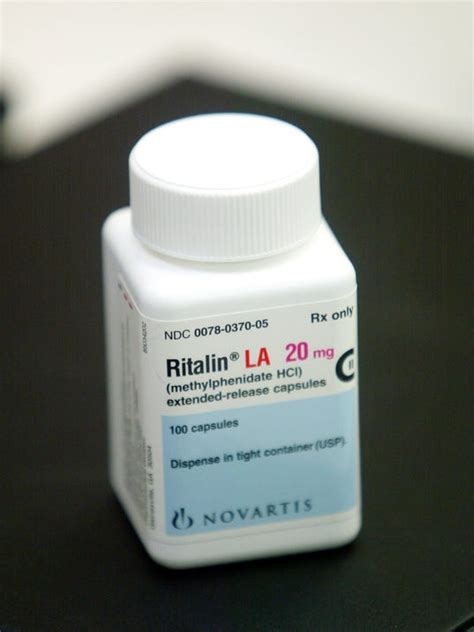
Ritalin
methylphenidate
$60.00
Ritalin is a prescription medication at Opera Pharmacy is primarily used to treat attention deficit hyperactivity disorder (ADHD) and narcolepsy, a sleep disorder. The active ingredient in Ritalin is methylphenidate, a stimulant that works by affecting certain chemicals in the brain that contribute to impulse control and hyperactivity.
Common Uses
Attention Deficit Hyperactivity Disorder (ADHD): Ritalin is most commonly prescribed to treat ADHD in children and adults. It helps improve focus, attention, and impulse control in individuals with ADHD.
Narcolepsy: Ritalin is also prescribed to treat narcolepsy, a disorder that causes excessive daytime sleepiness and sudden sleep attacks. It helps promote wakefulness during the day.
Cognitive Enhancement (off-label): In some cases, Ritalin is used off-label for cognitive enhancement, especially by individuals seeking to improve concentration or performance in tasks requiring focus.
Dosage
For ADHD: The usual starting dose for children ages 6-12 is 5 mg taken once or twice daily, with doses increasing gradually. For adults, the starting dose is typically 10 mg per day.
For Narcolepsy: The typical dose is 10-60 mg per day, depending on the severity of the condition and the patient's response.
The dosage can be adjusted by the doctor based on the patient’s response and tolerance, but the total daily dose should not exceed 60 mg.
Ritalin is available in immediate-release (IR) and extended-release (ER) formulations. The IR formulation is usually taken two to three times a day, while the ER formulation is typically taken once daily.
Positive Effects
Improved Focus and Attention: Ritalin is effective in improving attention span, focus, and concentration, especially in people with ADHD.
Reduced Hyperactivity: It helps reduce impulsive behaviors and hyperactivity, making it easier for individuals with ADHD to stay on task.
Increased Alertness: For narcolepsy patients, Ritalin helps reduce daytime sleepiness and increases wakefulness.
Improved Cognitive Function: Some individuals, including those without ADHD, use Ritalin to improve mental performance in tasks that require focus and attention.
Negative Effects (Side Effects)
Common Side Effects:
Nervousness or anxiety
Insomnia or difficulty sleeping
Decreased appetite
Headaches
Nausea or stomach upset
Dizziness or lightheadedness
Serious Side Effects:
Heart Issues: Increased heart rate, high blood pressure, or heart palpitations. Ritalin can exacerbate heart conditions.
Psychiatric Symptoms: Anxiety, irritability, mood swings, or even more severe psychiatric effects like aggression or hallucinations, especially at higher doses.
Growth Suppression: Prolonged use in children may slightly reduce growth rate.
Addiction: Ritalin is a stimulant, and misuse can lead to dependency or addiction.
Severe Allergic Reactions: Rashes, swelling, or difficulty breathing, though these are rare.
Important Warnings
Risk of Abuse: Ritalin is classified as a Schedule II controlled substance due to its potential for abuse and addiction. It should only be used as prescribed.
Heart Conditions: Ritalin may cause heart-related issues, such as increased heart rate and elevated blood pressure, so it should be used cautiously in individuals with pre-existing heart conditions.
Psychiatric Disorders: Individuals with a history of mental health disorders, such as anxiety or depression, may be more prone to psychiatric side effects, such as mood swings or hallucinations.
Pregnancy and Breastfeeding: Ritalin should be used with caution during pregnancy and breastfeeding, as its safety during these times has not been well established.
Interactions: Ritalin can interact with certain medications, such as monoamine oxidase inhibitors (MAOIs), which may lead to severe reactions.
Conclusion
Ritalin is an effective medication for managing ADHD and narcolepsy, helping improve attention, focus, and wakefulness. However, it carries a risk of side effects, including heart issues, psychiatric symptoms, and addiction. It is important to use Ritalin under the guidance of a healthcare provider and follow the prescribed dosage.