
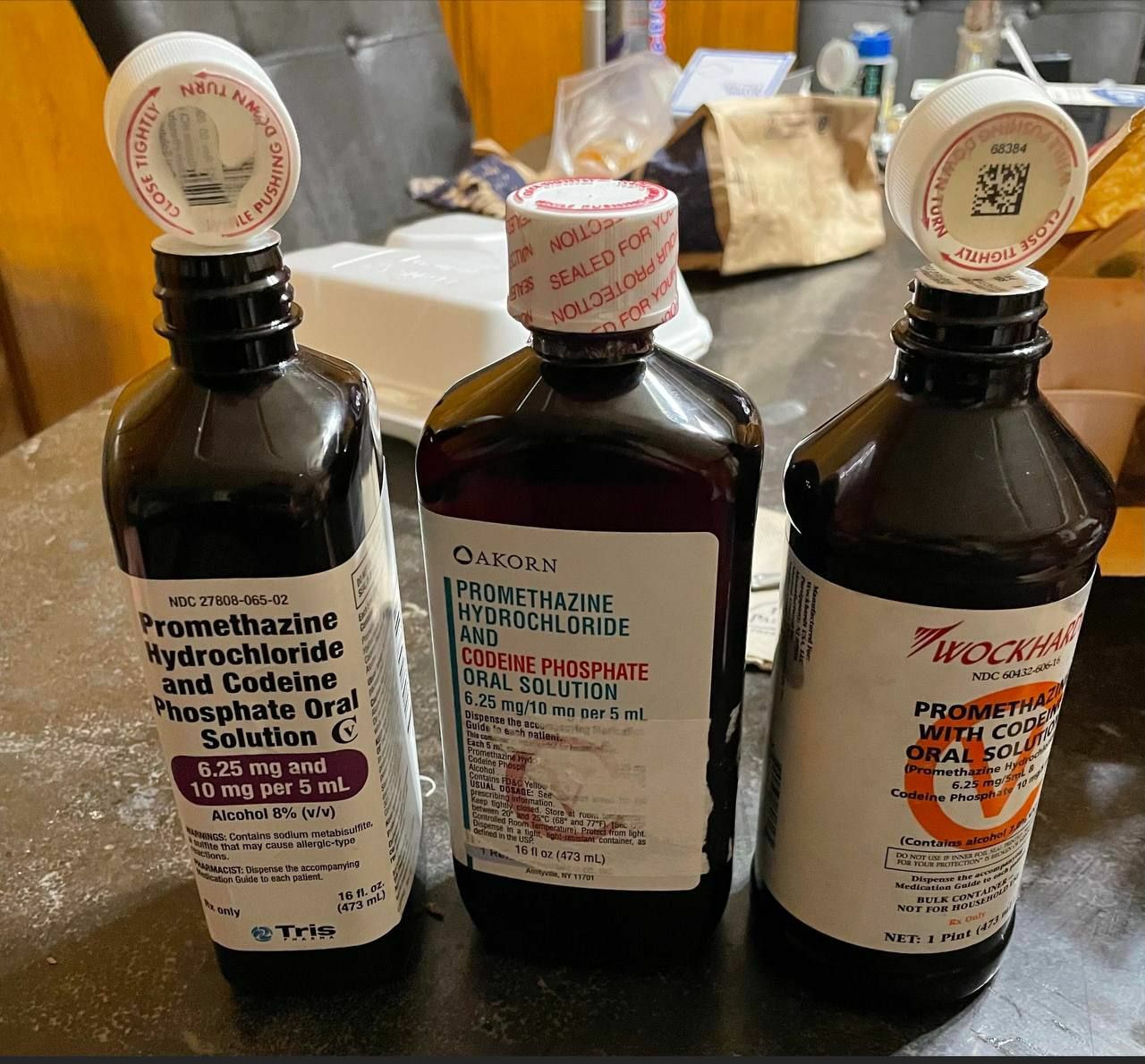
Promethazine
Promethazine Syrop
$350.00
Promethazine is an antihistamine commonly used for various medical purposes. It belongs to a class of drugs known as first-generation antihistamines, and it works by blocking the effects of histamine, a substance in the body involved in allergic reactions. It is often prescribed for allergy relief, but it has several other uses due to its sedative, anti-nausea, and anti-motion sickness properties.
Common Uses
Allergy Relief: Treats symptoms of allergic reactions, such as runny nose, sneezing, and itching.
Motion Sickness: Used to prevent and treat nausea, vomiting, and dizziness caused by motion sickness.
Nausea and Vomiting: Effective in treating nausea and vomiting due to various causes, including post-surgical recovery or illness.
Sedation: Due to its sedative effects, promethazine is sometimes used to induce sleep or calm agitation, especially before surgeries.
Cough Suppression: In some combination medications, it is used as a cough suppressant.
Anxiety: It can be used off-label to help calm nervousness or anxiety in some situations.
Dosage
Oral tablets: Promethazine is typically available in 12.5 mg, 25 mg, and 50 mg tablet forms.
Injectable form: Available in 25 mg/mL for more severe symptoms, especially when intravenous or intramuscular administration is required.
The dosage varies depending on the condition being treated, and a healthcare provider will determine the appropriate dosage.
Positive Effects
Effective in managing allergy symptoms: Reduces sneezing, itching, and runny nose.
Reduces nausea and vomiting: Useful for treating motion sickness, nausea from surgery, or illness.
Sedation: Helps patients relax and sleep, especially before surgeries or medical procedures.
Calms agitation: Sometimes used in cases of anxiety or to soothe agitated patients.
Negative Effects (Side Effects)
Common Side Effects:
Drowsiness or sedation
Dry mouth
Blurred vision
Dizziness or lightheadedness
Constipation or urinary retention
Serious Side Effects:
Severe allergic reactions (rash, swelling, difficulty breathing)
Respiratory depression: Especially when used in high doses or with other sedatives or alcohol.
Severe sedation or coma: Dangerous if combined with other CNS depressants.
Low blood pressure: Can cause fainting or dizziness, especially when standing up quickly.
Important Warnings
Drowsiness: Promethazine can cause significant drowsiness, so avoid activities that require alertness (e.g., driving) after taking it.
Drug Interactions: Avoid using promethazine with alcohol or other sedatives, as it can increase the risk of dangerous side effects, including excessive drowsiness or respiratory depression.
Pregnancy and Breastfeeding: Use with caution during pregnancy and breastfeeding. Always consult a healthcare provider for recommendations.
Children: It should not be used in children under 2 years old due to the risk of severe respiratory depression.
Respiratory Issues: Caution is needed in patients with respiratory disorders, as promethazine can worsen breathing difficulties.
Heart Problems: It can cause low blood pressure or heart problems, so use with caution in individuals with cardiovascular conditions.
Conclusion
Promethazine is a versatile medication used to treat allergies, nausea, motion sickness, and more. Its sedative effects make it helpful in managing sleep and anxiety, but it comes with the potential for side effects such as drowsiness, dizziness, and, in severe cases, respiratory depression. Always follow the prescribed dosage and consult a healthcare provider before using it, especially for children or individuals with respiratory or heart conditions.